Track 14 Is Locked and That's the Point: Hidden Songs in 2026
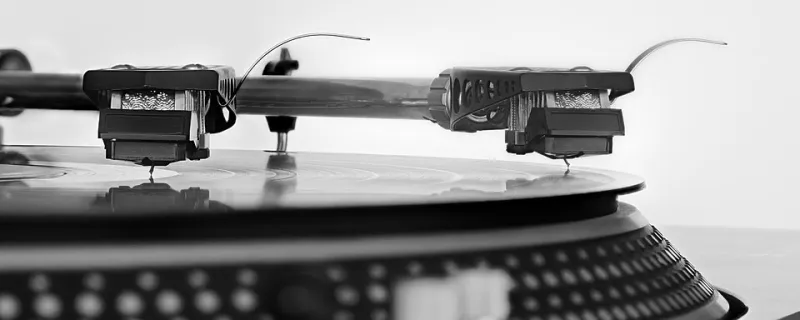
Photo: Franz van Duns, CC BY-SA 4.0, via Wikimedia Commons
Music in 2026 is supposed to be seamless. You hear a snippet, you tap the algorithm, you get the full song, you never touch a file. That is the promise. And yet a small group of artists spent this year hiding songs in places that require effort: locked website pages, vinyl-only grooves, metadata mazes, QR codes on tour posters. The hidden track is back, not as a novelty, but as a deliberate speed bump.
This is not a new idea. The Beatles tucked "Her Majesty" at the end of Abbey Road in 1969. Nine Inch Nails hid a track in the pregap of a CD. Jack White pressed secret songs into vinyl. But the 2026 version is different. It is not about filling space on a CD. It is about building a small, private door in a culture that has made everything automatic.
Here are the most creative hidden songs of the year, and why the artists who bother still bother.
The Vinyl-Only Ghost Cut
Marrow Choir released Low Ceiling in March with no announcement of a bonus track. On side B, after the final listed song, the groove runs into a locked section. If you drop the needle in the exact right spot, you get forty seconds of a hymn recorded in a stairwell. If you miss it, you get silence. The band never posted the song online. Fans trade turntable videos like rare coins. The pressing plant had to cut the groove by hand. It is a collector's flex because you cannot stream it, screenshot it, or add it to a playlist. You have to own the object and know where to look.
The Password-Protected B-Side
Nia Voss hid a track called "Service Door" behind a password on her website. The password was printed in a zine sold at three US shows. The page stayed live for seventy-two hours, then went dark. No press release. No social post. If you were there, you know. If you were not, you missed it. That is the entire point. A hidden track that everyone can access is just a deluxe edition. A hidden track that disappears is a loyalty test.
The Metadata Maze
Pale Arcade offered a free download of a new single and buried a second song in the ID3 tags. The album art looked like static, but it was a spectrogram. Decode it and you got a URL. The URL hosted a ninety-second instrumental called "Hallway Light." The band did not explain it. Fans figured it out with Audacity and a Reddit thread. This is collector nerdery at its purest: the song is not hard to hear once you know how; it is hard to hear because you have to care enough to look.
The Unlisted YouTube Drop
Sunday Static uploaded a video titled "." with no thumbnail and comments disabled. The only link was a QR code on a tour poster in Austin. The video contains a demo called "Back Seat Saint." It has fewer than four thousand views. The band could have put it on the album. They did not. The scarcity is the statement. An unlisted YouTube video is not secure — anyone with the link can share it — but it is obscure enough to feel like a handshake. The people who found it know they found it because they were paying attention.
The Reverse-Playback Hidden Cut
Gloom Service pressed a flexi-disc into a limited zine. Played forward, it sounds like ambient room tone. Played backward, it is a full song with vocals. The band never confirmed it. Fans ripped the audio, reversed it, and posted the result. The original flexi-disc now sells for triple its cover price. This is the hidden track as puzzle box: the artist gives you the lock, not the key. The reward is the moment you realize the song was there the whole time, just facing the other way.
Why Bother in 2026?
Because streaming rewards sameness. The algorithm wants the song that fits the playlist, the thumbnail that gets the click, the hook that lands in seven seconds. A hidden track does none of that. It is not a marketing gimmick, because marketing wants reach. A hidden track wants the opposite: a small, committed audience that will do the work.
It is also a gift. The artist is not selling you the song; they are leaving it for you. That changes the relationship. You are not a consumer anymore. You are a participant. You are the person who read the liner notes, scanned the QR code, reversed the flexi, and found the thing that was never meant for everyone.
There is a fine line between a hidden track and a scavenger hunt that wastes people's time. The best ones respect the audience. They do not require trespassing, harassment, or spending four hundred dollars on a test pressing. They just require attention. And in 2026, attention is the scarcest resource in music. The song you cannot stream is the one you remember.